Why Body Shops Are Unique
Collision repair centers and auto body shops form a specialized segment of the automotive aftermarket. Unlike mechanical repair shops, these businesses focus on structural repairs, paintwork, and cosmetic restoration.
For B2B marketers, targeting body shops requires understanding their unique equipment needs, insurance relationships, and operational priorities. Verified automotive mailing lists including email, phone, and postal addresses allow marketers to reach the right decision-makers efficiently, avoiding wasted efforts on generic or outdated contacts.
Market Overview: Collision Repair Centers
Market Snapshot:
- ~35,000 collision repair facilities in the U.S.
- Average annual revenue: $1.5–$3 million per location
- Heavily influenced by Insurance Direct Repair Programs (DRP)
Operational Characteristics:
- Highly regulated due to insurance partnerships and safety standards
- Invest in specialized equipment for aluminum and high-strength steel
- Require certified technicians (I-CAR, ASE) for repairs and ADAS calibration
Key Decision-Makers
- Shop Owners/Managers
- Approve major equipment purchases
- Establish vendor partnerships
- Estimators
- Write repair estimates
- Influence parts and equipment orders
- Paint Managers/Technicians
- Control paint materials and finishing processes
- Recommend tools and suppliers for quality assurance
Tip: Multi-channel outreach works best when tailored to each role. Owners respond to ROI-focused messaging, while estimators and technical staff prefer product demonstrations or specifications.
Products and Services They Buy
Collision repair centers have recurring needs for high-value equipment and consumables:
- Frame straightening systems and lifts
- Paint booths, spray guns, and coatings
- Welding and metal repair tools
- ADAS calibration equipment
- Estimating software (CCC ONE, Mitchell)
- Replacement parts and consumables for repairs
These purchases often represent large, strategic investments, making targeted marketing a high-value opportunity for B2B vendors.
Marketing Challenges
Reaching collision repair centers is not straightforward:
- Fragmented Decision-Makers: Owners, estimators, and technical staff each control different parts of the purchase cycle
- Insurance Influence: DRP programs dictate preferred vendors
- Technology Evolution: Advanced driver-assistance systems (ADAS) require specialized tools and training
- Data Complexity: Generic lists cannot distinguish between body shops, mechanical shops, and specialty facilities
Solution: Accurate, verified mailing lists ensure you contact the right people with the right message.
How Verified Automotive Lists Help
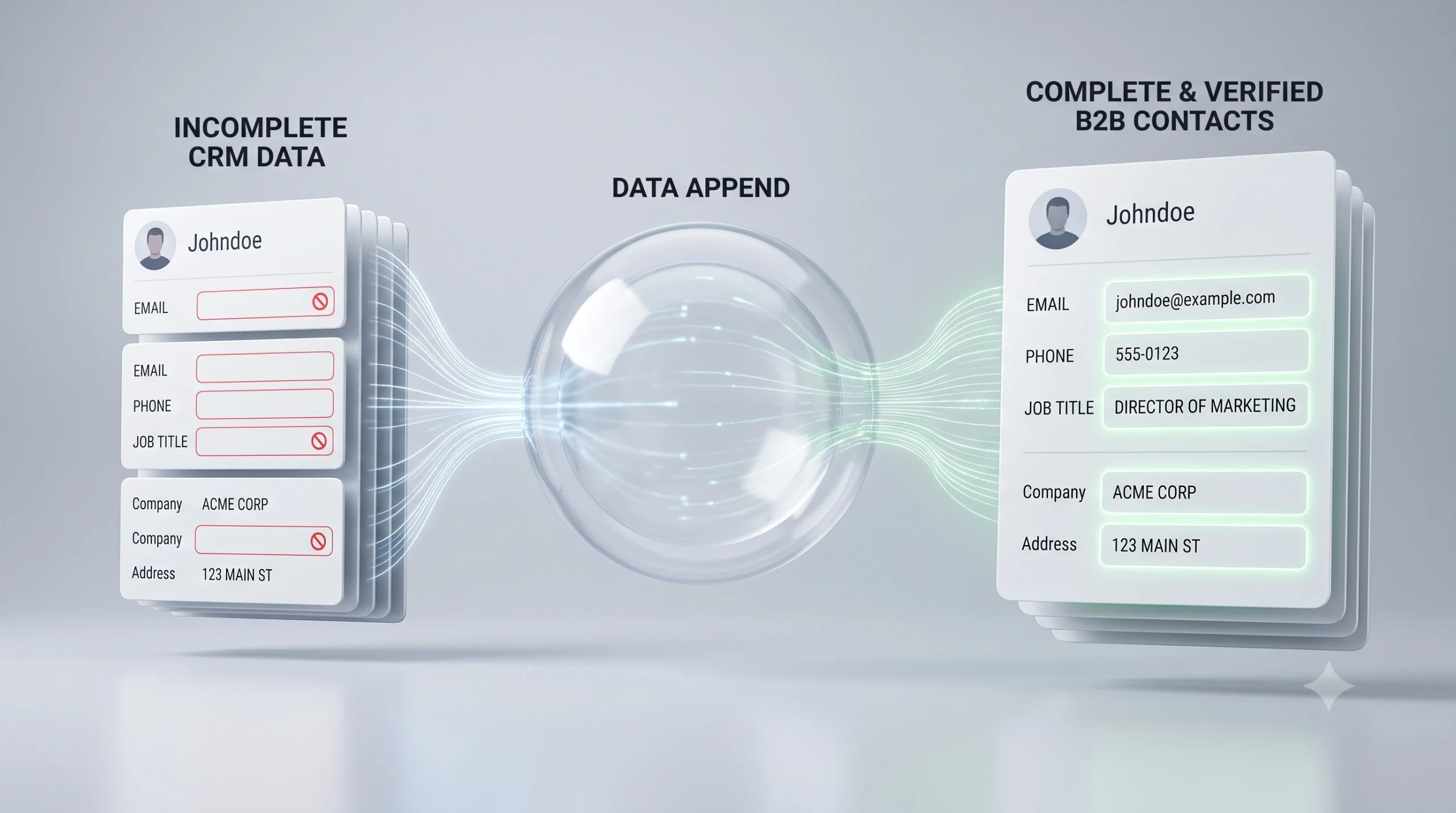
Prospects Influentials’ automotive lists provide:
- Firmographic segmentation: Facility size, annual revenue, certifications
- Decision-maker contacts: Owners, estimators, and paint managers with verified emails, phones, and addresses
- Technology adoption: Identify shops with ADAS equipment, software platforms, or specialized tools
- Regular updates: Monthly verification reduces wasted outreach
With this data, marketers can launch multi-channel campaigns that maximize engagement and ROI.
When and How to Market
Timing Matters:
- Peak periods: post-accident season (typically summer for collisions, winter for insurance claims due to weather accidents)
- Planning periods: shops often schedule major equipment purchases at year-end or following DRP negotiations
Effective Marketing Channels:
- Direct Mail: Catalogs, brochures, or sample kits for equipment
- Phone Outreach: Personal follow-ups to build trust
- Email Campaigns: Promotions, product updates, or training invitations
- Digital Ads: Retargeting and LinkedIn campaigns aimed at body shop professionals
Targeting Strategy: Step by Step
- Identify Your Ideal Accounts:
- Segment shops by revenue, DRP affiliations, certifications, and location
- Use Verified Lists:
- Multi-channel contacts for owners, estimators, and technical staff
- Personalize Outreach:
- Tailor messaging based on shop specialization, equipment needs, or insurance partnerships
- Test and Scale:
- Start with small campaigns, measure KPIs, and expand successful strategies
Case Example
A supplier of ADAS calibration tools targeted DRP-affiliated body shops using a verified mailing list. Their three-phase campaign (direct mail → phone call → email follow-up) resulted in:
- 30% higher engagement than previous campaigns
- 8 new high-value accounts within 2 months
- Significant repeat purchases for calibration equipment
This demonstrates how accurate segmentation and verified decision-maker contacts drive meaningful B2B results.
Conclusion: Why Precision Matters
Collision repair centers are a high-value, specialized segment of the automotive aftermarket. Success in this market depends on understanding their operational needs and using verified, multi-channel automotive lists to reach the right decision-makers.
With precision targeting, marketers can increase conversions, reduce wasted spend, and build long-term relationships in this lucrative aftermarket segment.